
Monumental woods and trees
The woods of Val Comelico are not a background, they are a presence. Spruces, larches and silver firs cover the slopes of the valley with a unique density and continuity. Entering these woods means changing rhythm — that of air, light, silence.
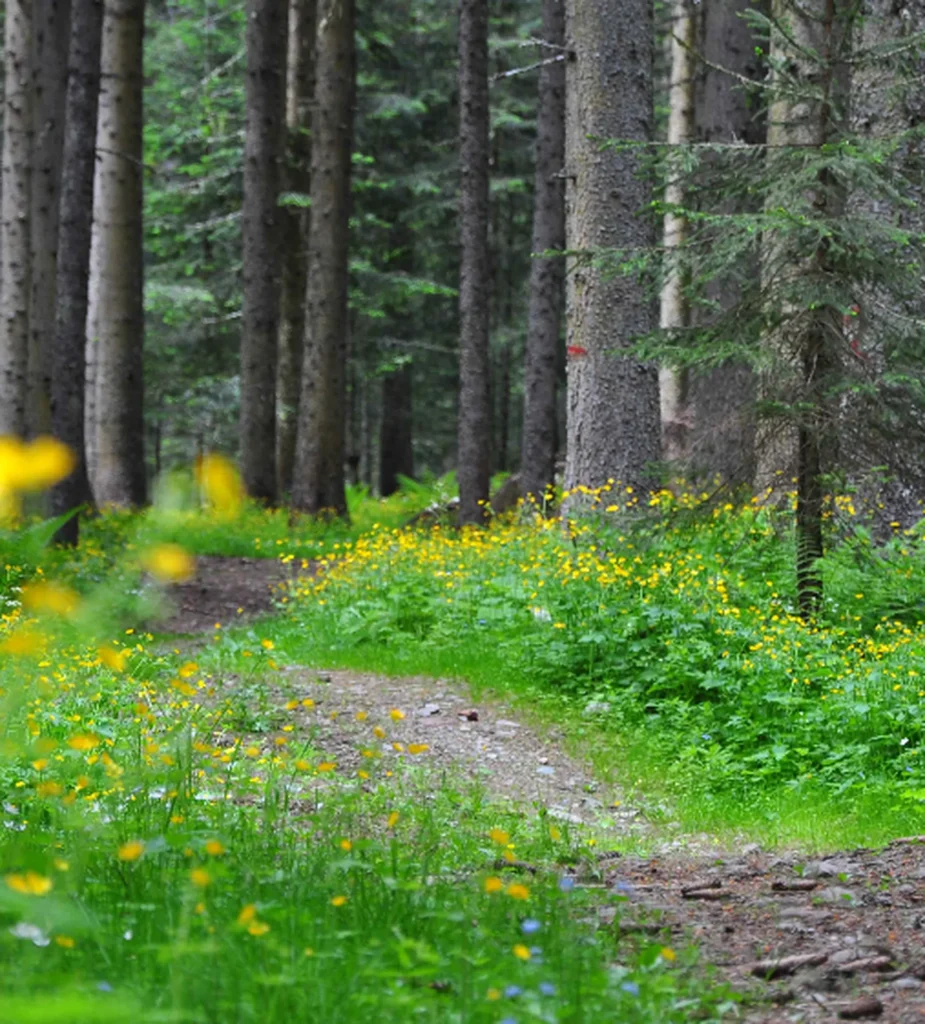
The monumental trees of the Val Visdende
In the green Val Visdende, at 1,333 meters above sea level, there are some of the largest fir trees in the Triveneto: specimens that exceed 50 meters in height and 3 meters in diameter and over two centuries old.
Looking up between their rows, the branches close the view of the sky creating natural arches of a size that is difficult to expect.
An educational path with panels accompanies the visit and tells the biology, history and value of these trees: a path suitable for those who want to spend a few hours immersed in nature.
The Queen of Val Comuna
Among all the monumental trees in Val Comelico there is one that has a name: the Queen of Val Comuna.
It is the largest spruce in the entire Triveneto — 50 meters high, over 200 years old, well beyond the normal life cycle of its species which stops at 150-180 years.
It is located in Val Comuna, upstream of Valgrande: take the road that leads from the Terme di Valgrande to the sulphurous waters and turn right at the crossroads after the climb. It’s worth the detour.
The resonance fir
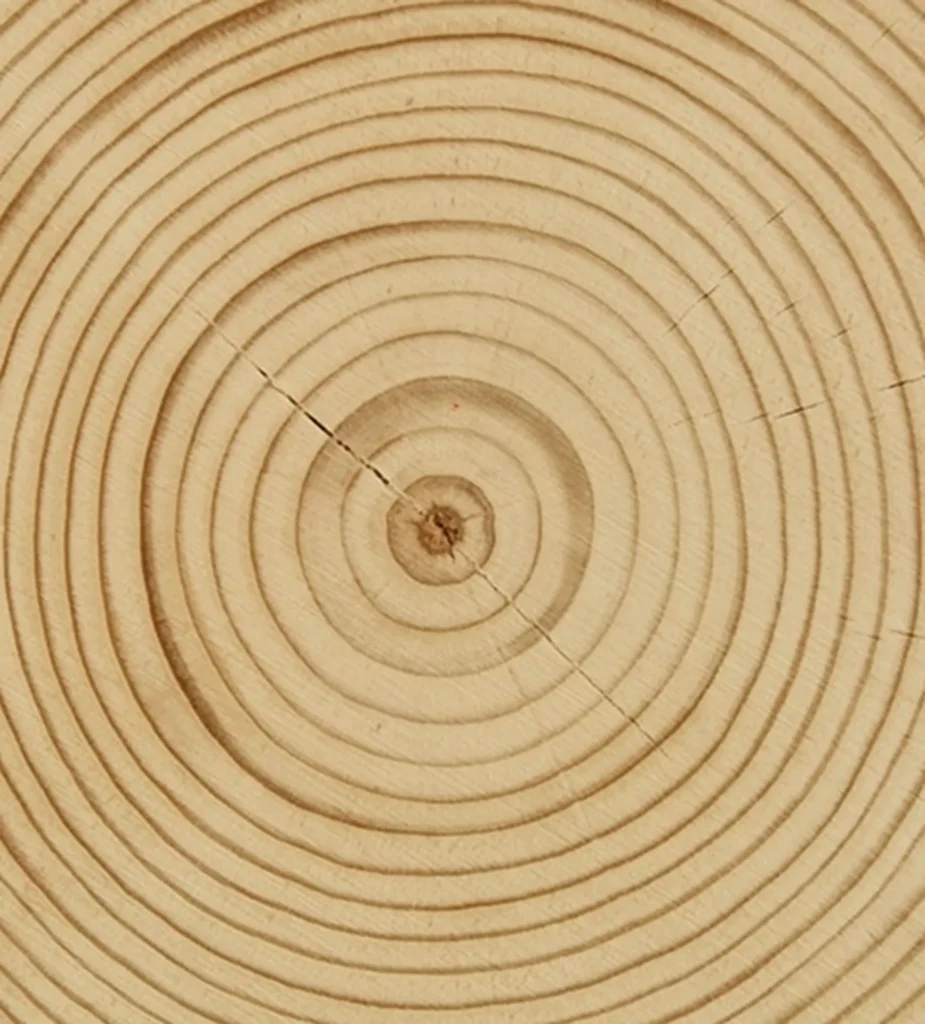
A special variety grows among the fir trees of Comelico: the Picea excelsa fissilis, known as resonance fir.
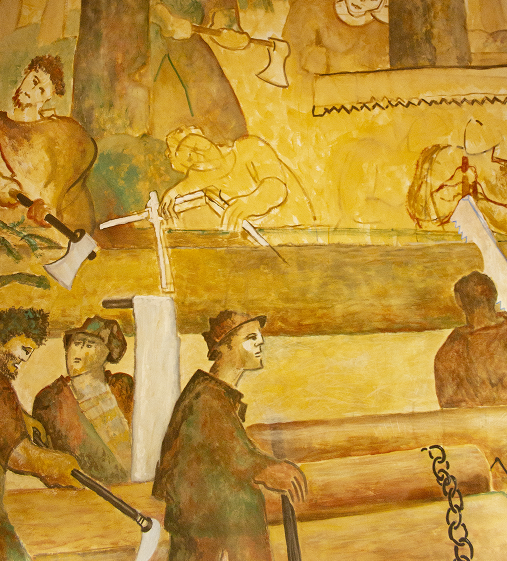
The name comes from afar — when the woodcutters made the trunks slide downstream along the rice paddies, the water channels dug into the woods, some woods emitted a sweet sound instead of a dull one. They were the resonance firs, and they were set aside.
Today, luthiers from all over Europe still come to these woods to choose the wood for their instruments: the wood of the sound box of violins, guitars and double basses often comes from here.
You can also recognize them: tap your finger on one end of the trunk and listen to see if the resonance is created on the other side.
The woods of the rules
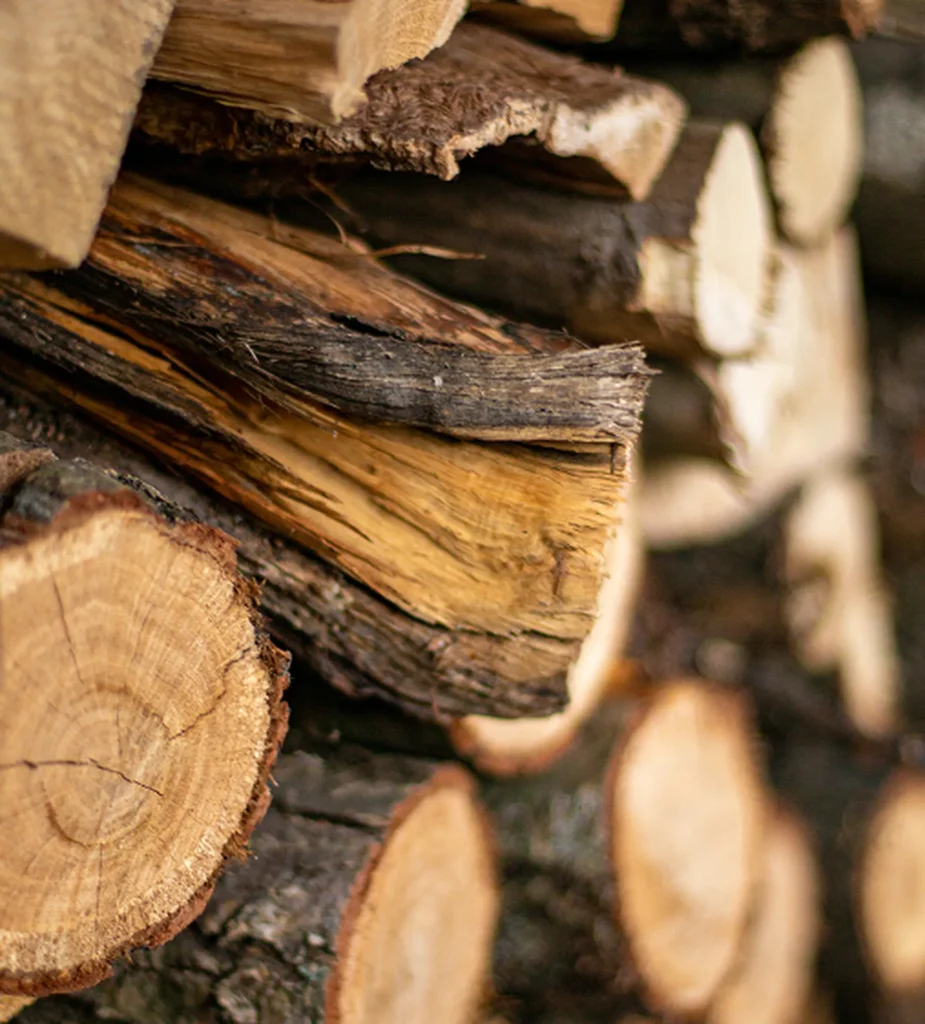
Every year in Val Comelico about 35,000 cubic meters of wood are cut.
80% comes from forests owned by the Regole — the community institutions that have been managing the valley’s woodland and pastoral heritage for over a thousand years.
Every ten years, an economic plan lists all trees with a diameter of more than 17.5 cm and establishes how many and which can be cut.
The dominant species is the spruce, which covers 70% of the forest area. It is not management: it is an ancient pact between the community and the territory, renewed every generation.
The stua of Padola
Downstream of the town of Padola is the Stua: an artificial dam on the Padola stream, used for centuries to transport timber downstream.
The mechanism was simple but effective: the dam was closed to form an artificial lake, then opened suddenly: the force of the water pushed the trunks up to the Cidolo di Perarolo, in Cadore, where they were processed.
The Stua di Padola is the oldest still existing — already mentioned in a document of 1521 — and the only one that can still be visited. It remained for centuries at the center of the timber trade: in 1635 it was purchased by Giacomo Gera di Candide, the most influential family in the sector, who still owns it today.
A simple structure that tells better than any museum how the economy of the valley worked.


