
Home | Territory | Countries and locations | Comelico Superiore
Comelico Superiore
Comelico Superiore is the northernmost municipality in the valley, on the border with Austria and South Tyrol. Candide, Casamazzagno, Dosoledo and Padola make up an area rich in history, landscapes, art and alpine culture, where the villages dialogue with the Dolomites and with a still authentic nature.
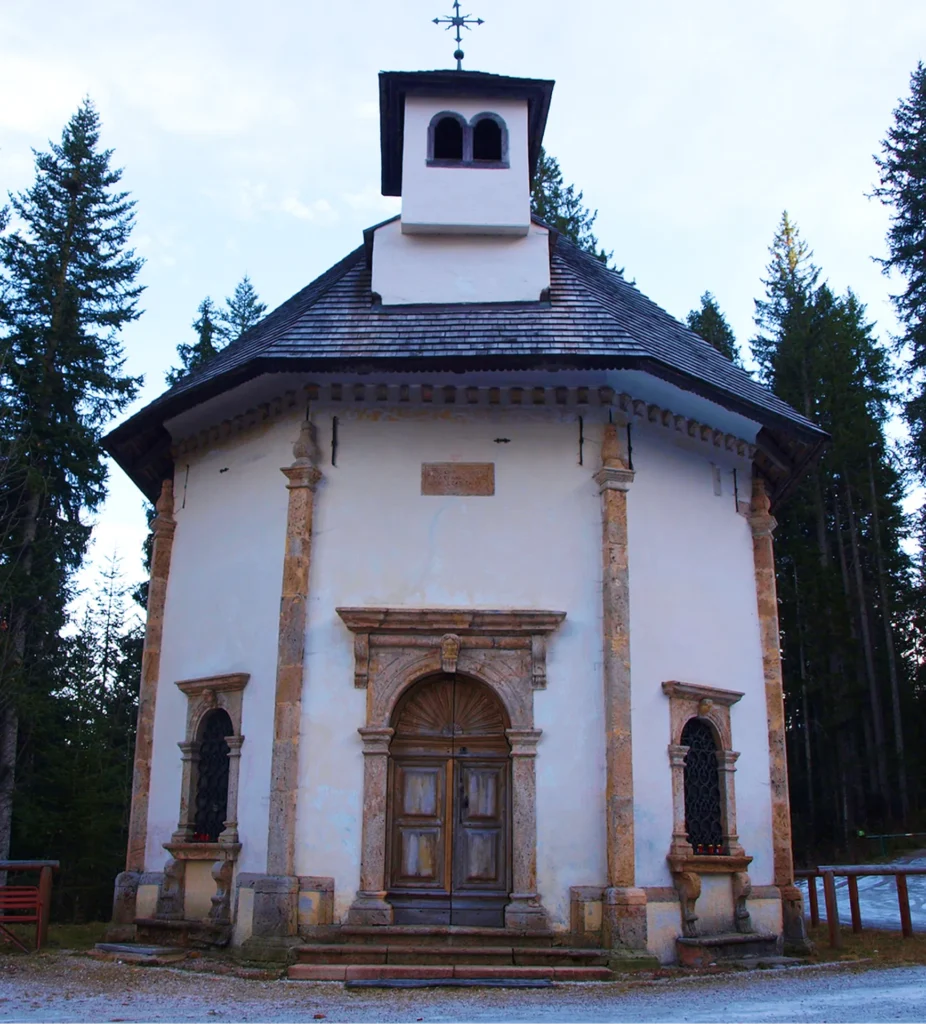
Comelico Superiore brings together some of the most representative places in Comelico and tells the story of their variety well. Here historic centers, religious architecture of great value, museums, stately palaces, local traditions and a strong relationship with nature coexist. Candide preserves ancient traces and places of artistic interest; Casamazzagno surprises with its panoramic position and its cozy character; Dosoledo preserves historic buildings and Ladin memory; Padola is an important hub for those looking for outdoor activities in every season.
All around, woods, side valleys, paths and peaks complete a landscape that makes this municipality a privileged gateway to discover the valley. From here you can also reach some of the most iconic places in the area, such as Valgrande, Alta Val Padola, Lake Sant’Anna and the paths to Popèra.
Candid
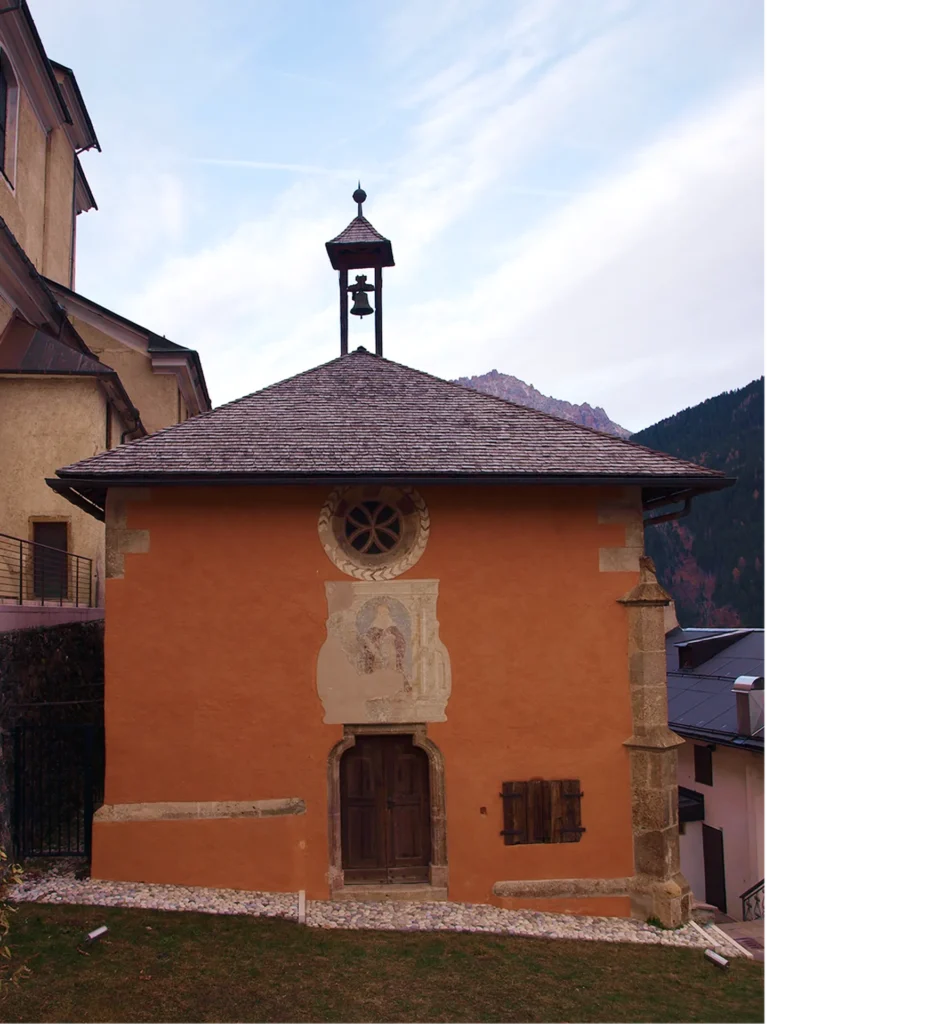
Candide is one of the oldest villages in Comelico and still retains a strong identity, made up of history, spirituality and fine architecture. Here you will find the church of Santa Maria Assunta, with its important historical organ, and the church of Sant’Antonio Abate, a precious testimony of local religious architecture.
In the village there are also stately buildings such as Casa Gera and Casa Monti-Giacobbi, which tell the role of families linked to the timber trade. Candide is also a place to live calmly, among views, details and atmospheres of an alpine village. The Alpine Garden adds to this experience a small but precious botanical stop in the heart of the village.
Casamazzagno
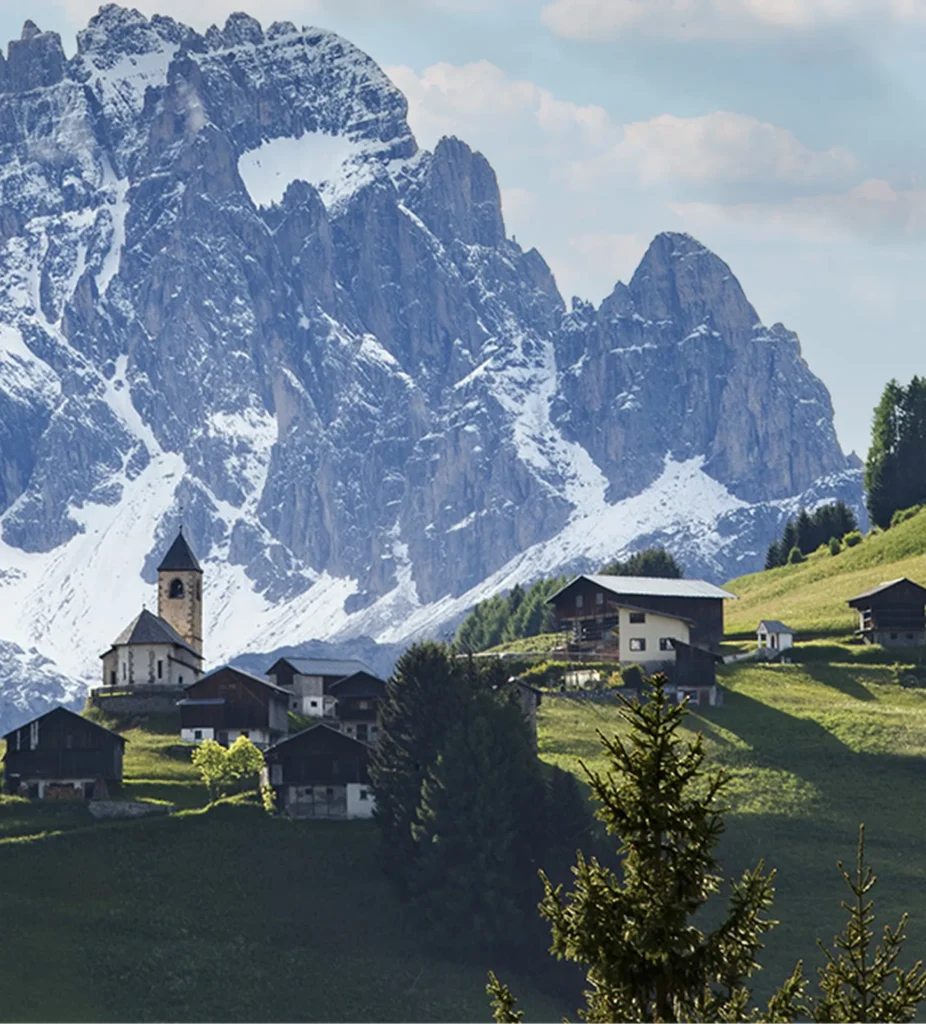
Casamazzagno is located in a raised position with respect to Candide and retains a quiet, essential character, deeply linked to the landscape. The village is known for the church of San Leonardo Vecchio, built in a panoramic position above the town and able to offer a wide view of the valley.
In the village there are also the church of San Leonardo Nuovo and the Ethnographic Museum “La Stua”, which tells the domestic and daily life of the Comelico of the past. Here the size of the village, the architecture and the relationship with the mountain remain legible in every detail. It is an ideal stop for those looking for a small, panoramic village deeply linked to the memory of the territory.
Dosoledo
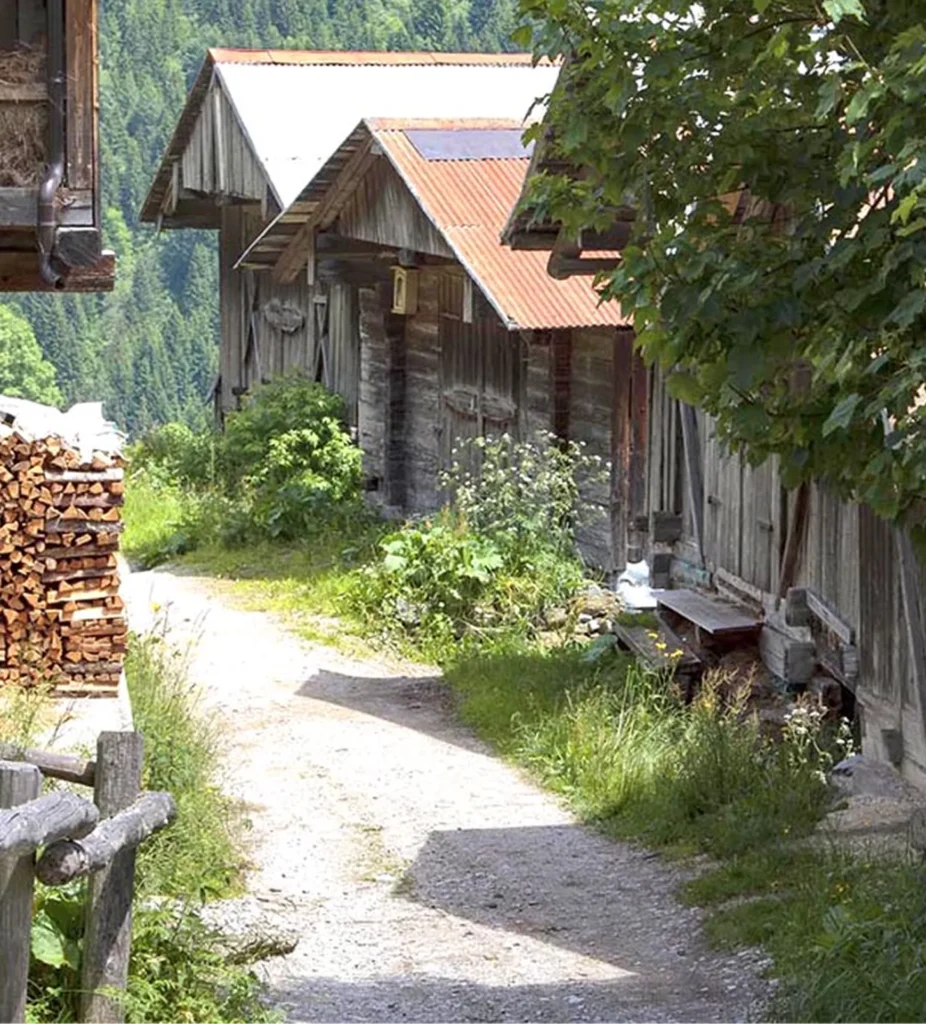
Dosoledo is a town that tells the story of Comelico in a very clear way. The town, marked over the centuries by fires and reconstructions, still preserves buildings, traces and architectural solutions that speak of adaptation and memory. Among the most significant places are the church of Saints Rocco and Osvaldo, the Zandonella Dall’Aquila palace and the Algudnei Museum, dedicated to Ladin culture. Dosoledo is an important stop for those who want to enter the deepest character of the valley, between local heritage, linguistic identity and sense of community. Here the link between history, Ladin culture and landscape is particularly evident.
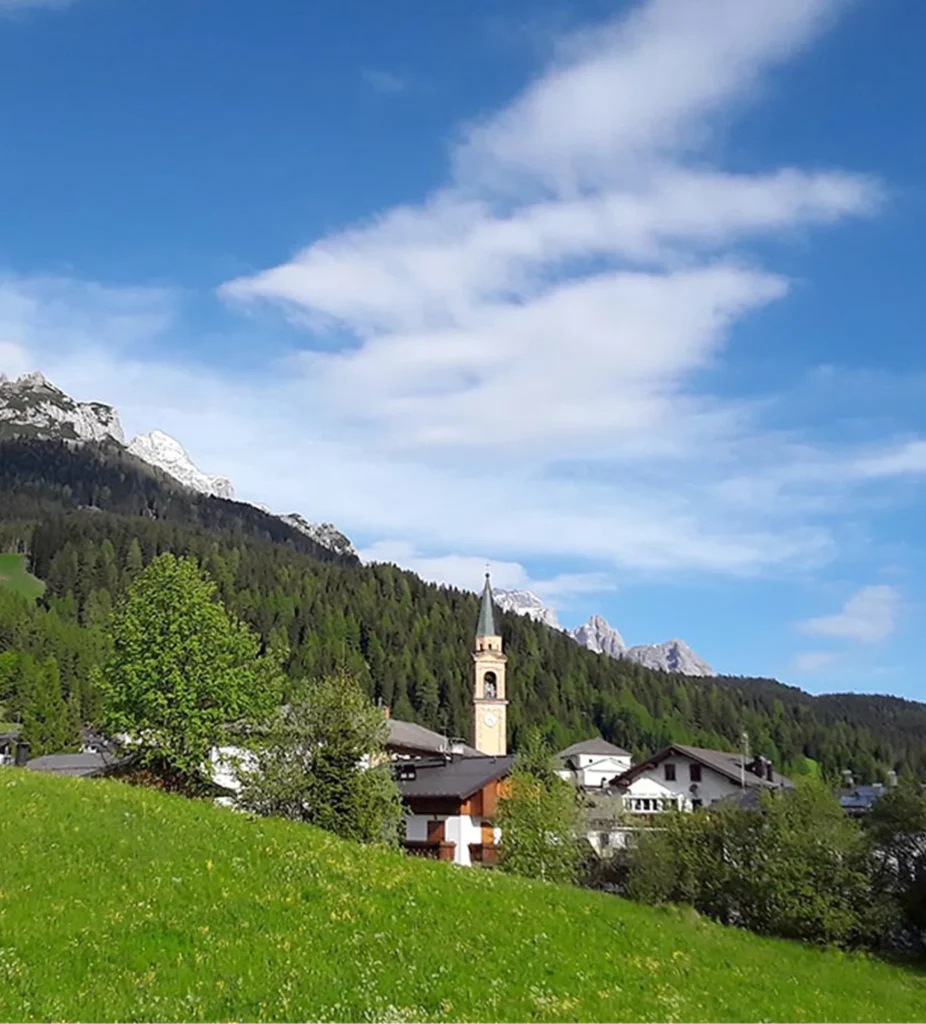
Padola
Padola is one of the most famous resorts in Comelico, a reference point for those looking for sport, nature and access to the mountains in every season. It is now one of the main centers for outdoor activities, being part of the Dolomiti Superski area, but it also retains an interesting historical and cultural dimension.
In the village there are the church of San Luca Evangelista, the Museum of Ladin Alpine Culture of Comelico and some symbolic places of the relationship between community and territory. From here you can easily reach the Valgrande, the Alta Val Padola and numerous itineraries to refuges, mountain huts and Dolomite peaks. It is also one of the best points to discover Lake Sant’Anna and the high-altitude landscapes of Comelico.


