
Home | Territory | Countries and locations | St. Nicholas
St. Nicholas
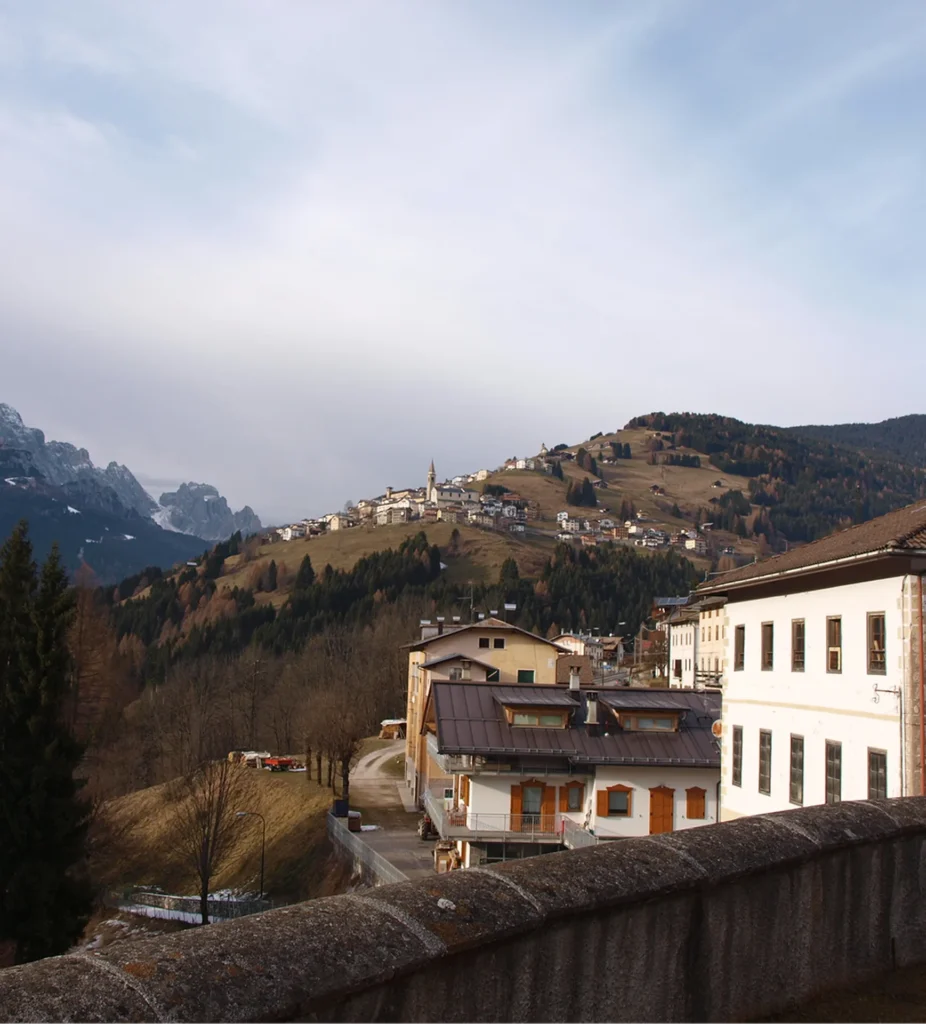
San Nicolò di Comelico is an area that combines landscape, history and local identity. The municipality owes its name to the church dedicated to San Nicolò Vescovo, already documented in medieval centuries, and has long been an important point in the history of Comelico.
Mining and ironworking activities have also been important here, especially in the area of Gera and Ferrera, which have contributed to giving the town a precise economic and social physiognomy. Today San Nicolò is an interesting destination for those looking for a more intimate contact with the valley, among small towns, historical memory, green views and itineraries towards the mountains.
Coast
Costa is one of the localities of San Nicolò di Comelico and retains a particularly suggestive position within the valley. The town tells well the alpine dimension of the territory, made up of small villages, relationship with the forest and architecture that dialogues with the landscape.
From here you can clearly perceive the link between daily life and the mountain environment. Costa is also one of the points from which to explore the surroundings and get to know a quieter and more authentic part of Comelico.

Campitello
Campitello has played an important role in the administrative history of the area and still retains its recognizability today. In the Napoleonic era it was the seat of the canton of Comelico, confirming the centrality that the town has had over time.
Today Campitello maintains a quiet and residential dimension, inserted in a green and orderly landscape. It is a useful stage to understand the historical evolution of the municipality and to read, also through the inhabited fabric, the stratification of valley life.
Gera
Gera is a place strongly linked to the memory of the work and activities that have characterized the Comelico for centuries. Here ironwork and handicraft productions developed that made the territory known even beyond the local borders.
In the village there is Casa Vettori, an elegant building that testifies to the importance of some local families, and a small church that houses the body of Santa Giulia. Gera is the right place to grasp the relationship between economic history, human presence and the construction of the cultural landscape of the valley.


